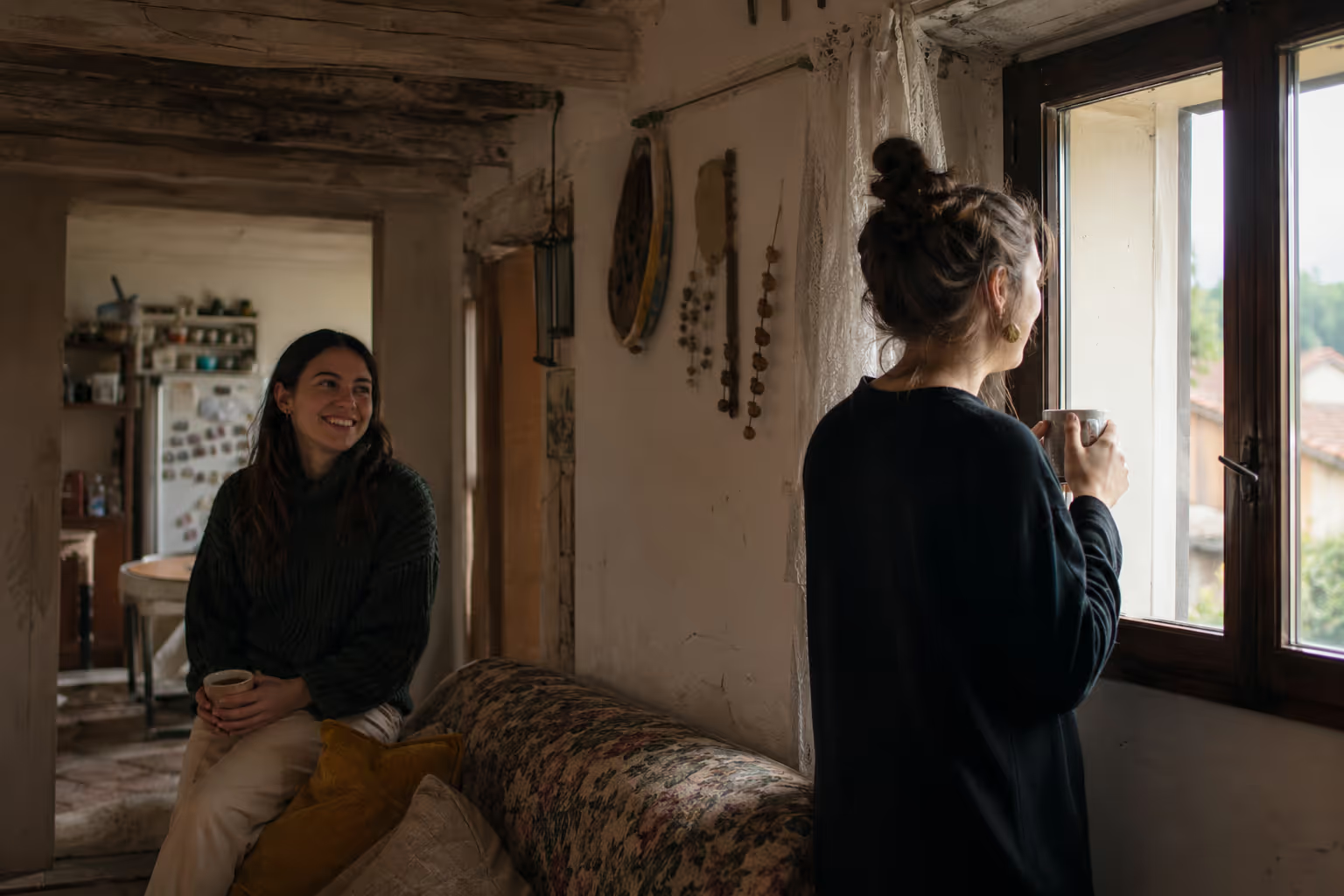
Three steps. No booking flow. No automated anything. Just you, a real person, and a place worth knowing.
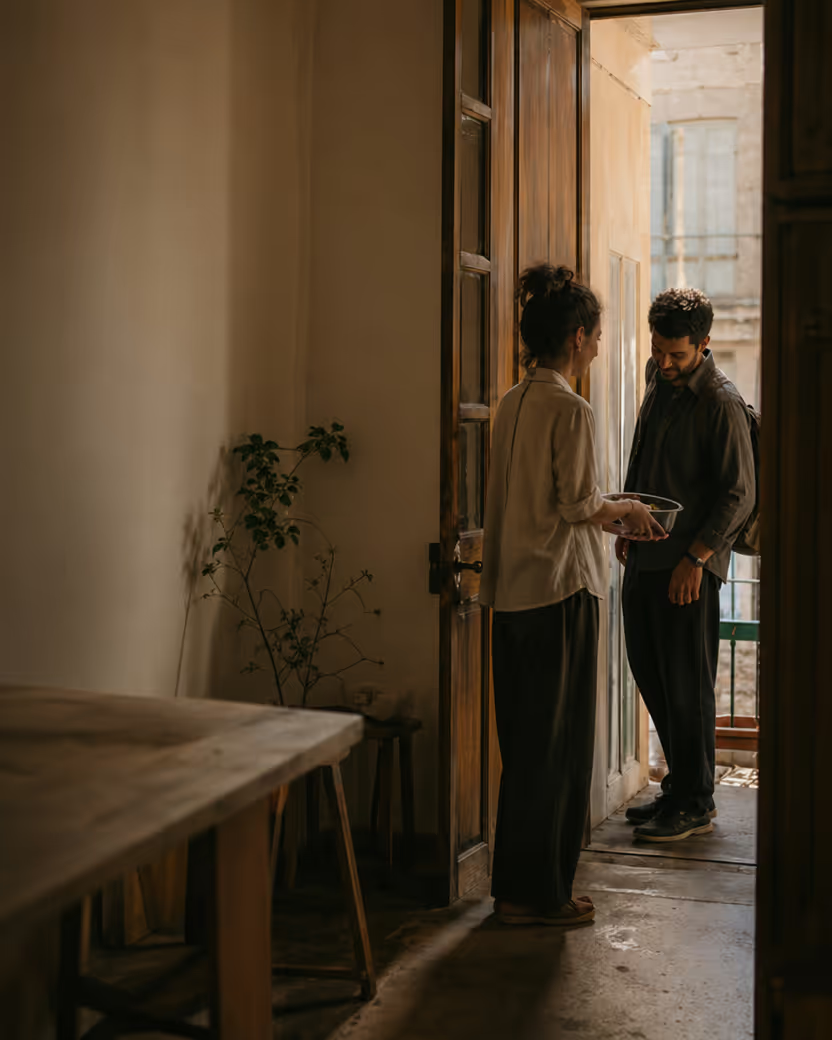
01Browse profiles by city, type of experience, or language. Read their story. You’re not booking a service, you’re choosing a person. Take your time.

02When something resonates, send a short note. Tell them who you are and what drew you to their profile. The local reviews and confirms, every encounter is chosen on both sides.

03You show up. You meet someone real. What happens from there is the point. No checklist, no rating prompt at the end. Just the encounter.
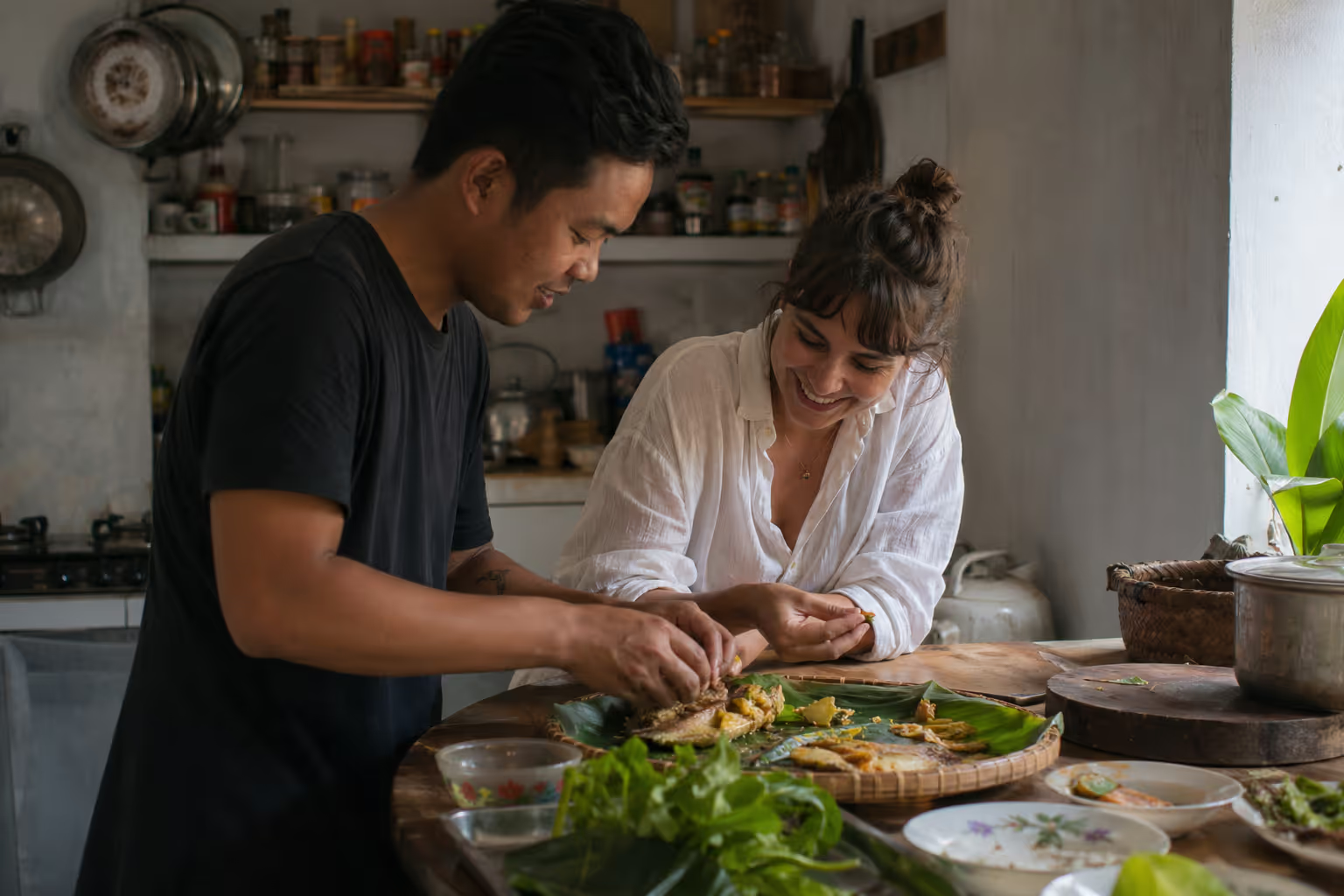
The most intimate entry point into someone's life. A local cooks what they actually cook. Family recipes, regional dishes, the food they grew up eating. This isn't a cooking class or a restaurant experience. It can be cooking together, sitting down to eat, or going to a market and then coming back to cook. The table is the destination. Works across wildly different cultures because food is universal.

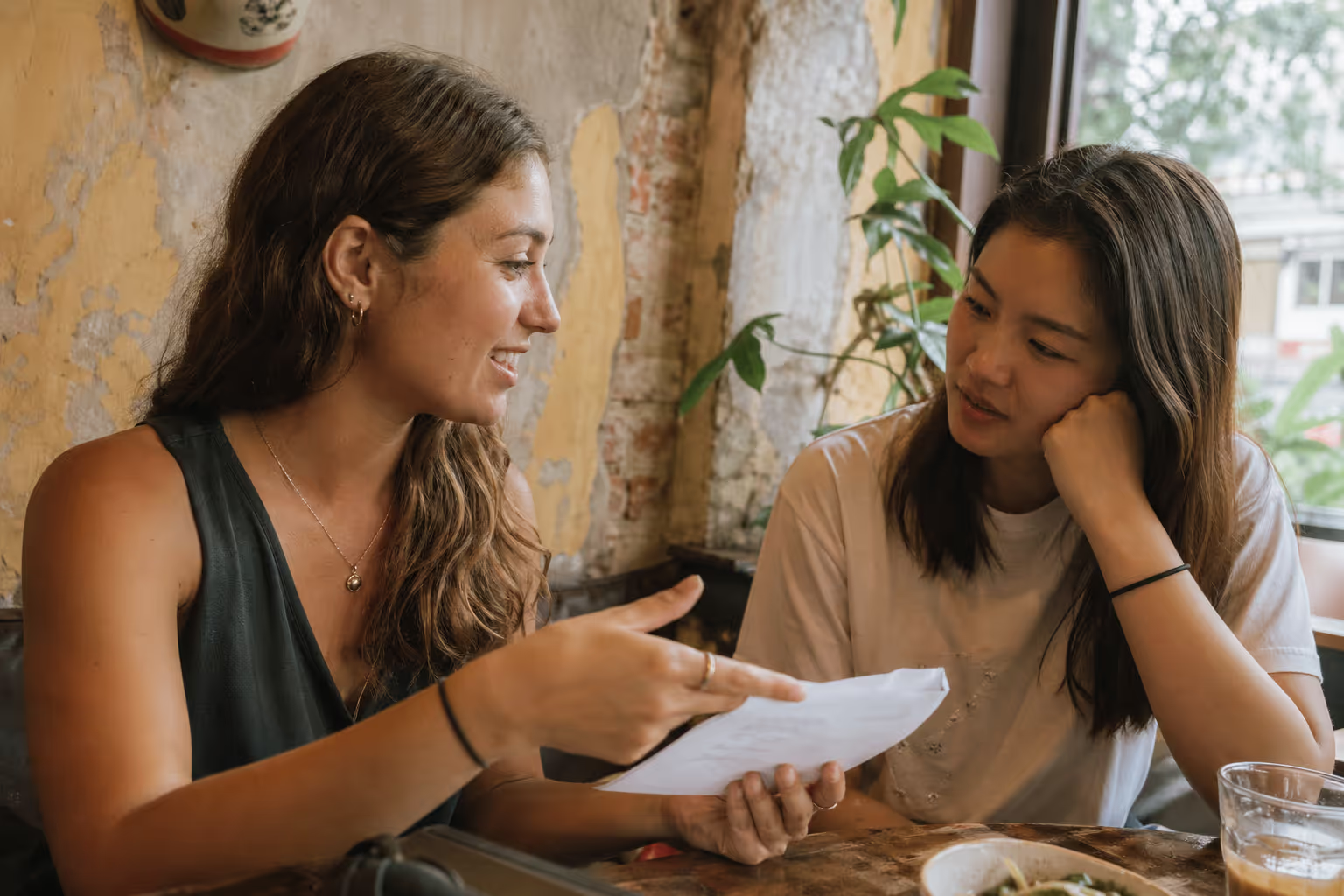
Two people who speak different languages sit together with a shared goal: each wants to learn or practice what the other already knows. What makes this a Terroir category rather than a language app is the human context : you're learning a French from someone who lives in Paris, not from a curriculum. The conversation goes places no lesson plan would. The exchange itself becomes the encounter.

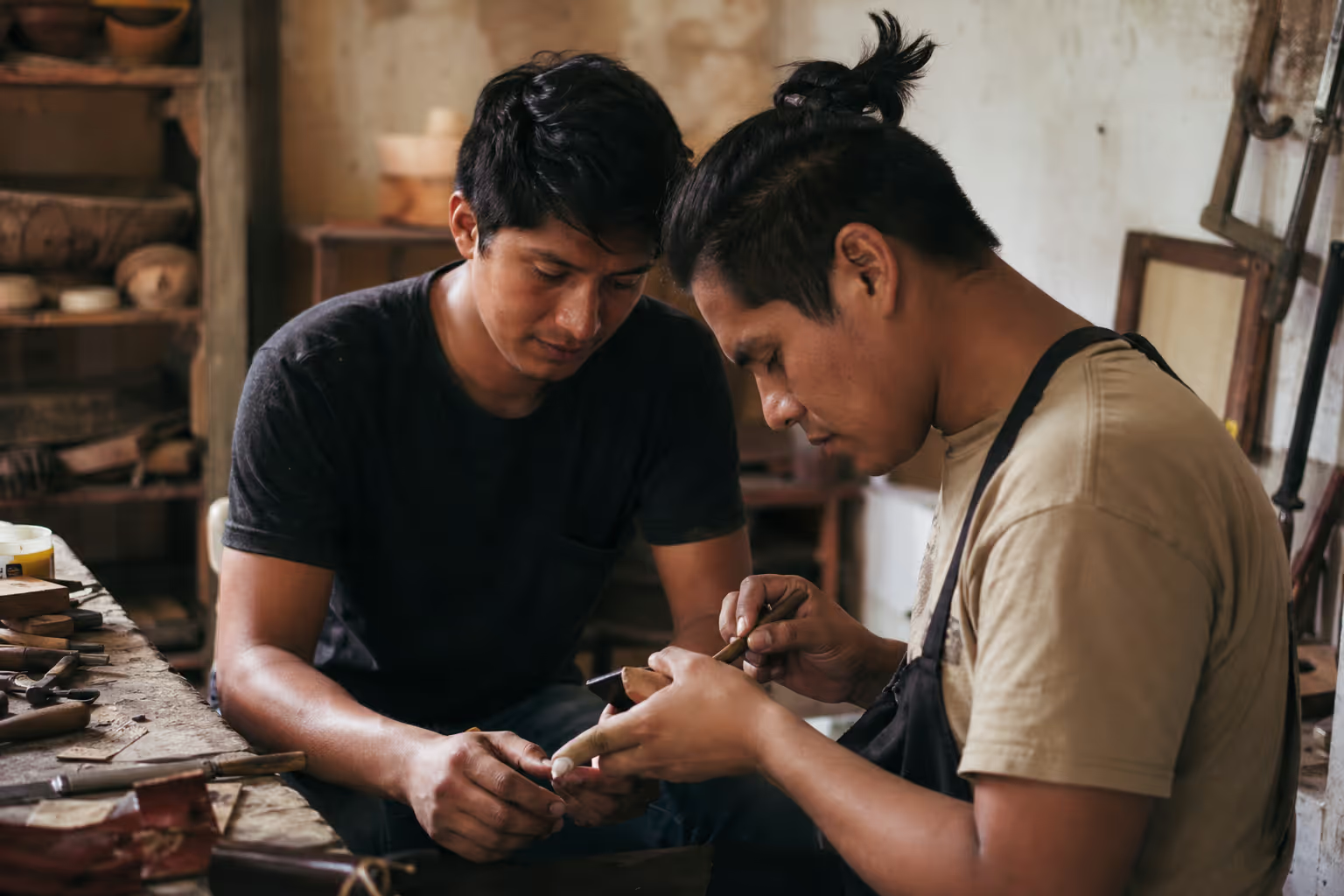
A local shares a skill that lives in their hands. Photography, music, natural dyeing, fermentation, textiles. anything that requires doing to understand. The point isn't to become proficient; it's to experience how someone else's knowledge and culture is embedded in a physical practice. This category has the widest range of what's possible, from a grandmother's bread to a professional woodworker's afternoon.

A local and a traveller share a physical practice. Not as instructor and student, but as two people doing something together. A morning run through streets the traveller would never find alone. A yoga practice in a park. The movement is the medium; the connection is the point. This is explicitly not a fitness service or wellness tourism, it's what happens when a shared passion creates an opening between two people.

The city a local actually inhabits after dark is completely different from what a tourist sees. This category is about that version. The neighbourhood bar where everyone knows them, the night market they go to on Thursdays, the club with a sound that doesn't exist anywhere else. It's social, and it reveals a dimension of local life that daytime experiences can't reach.

A room or a couch in someone's home, offered freely. This is the philosophical anchor of everything Terroir stands for. To offer a Stay a While, a local must first have at least one reference, building a documented community history before opening their home.
The reference system is the most important safety mechanism on every platform we studied. We believe that the encounter history is a more reliable trust signal than identity verification. This is where we put the most structural care.
Trust requires that poor behaviour has real consequences. We publish our consequence ladder in full. Transparency changes behaviour, the act of publishing it is itself a deterrent.
Before booking an encounter with a local, travelers can see the profiles of everyone who has already had an experience with them. If you want to reach out and ask a past guest what the experience was actually like, you can.
Browse locals by city and type of encounter.
Taste, see and live a place through its locals. A community-first platform, free, always.